

CES and Alexa World Fair Provide a Glimpse of Where Voice is Headed
There’s a certain madness about voice technology right now. Everyone is looking to latch onto it, realizing it is not only a customer engagement channel but one that can drive substantial revenue, if not now than in the near future (more on that later).
I saw the B2C companies and products fully embracing the voice craze at CES this week. Products ranging from the innocuous (a pet food dispenser with Alexa embedded, for example) to Audi cars (Audi E-Tron pictured below) are making use of voice to make consumers’ lives easier and to open up new modes of communication between business and customer. Audi was far from the only automaker showing off its voice integration. It’s clear the weight of the auto industry is fully behind voice technology and the manufacturers see it as a way to make the in-car experience more efficient and enjoyable for drivers.
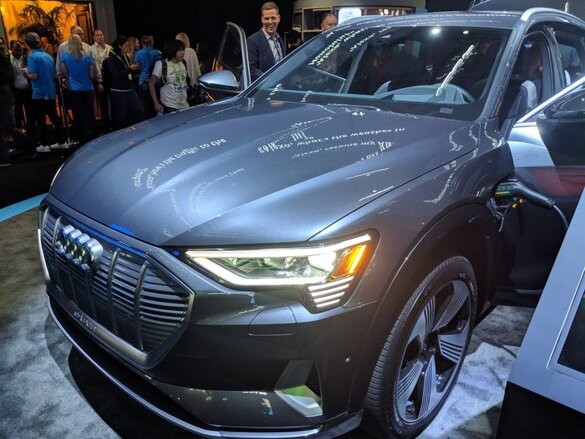
The excitement for voice is widespread, but Amazon, Google, and, somewhat surprisingly, Samsung made the biggest splashes at the conference. All sported plenty of demos and billboards inside the event.
Perhaps the biggest piece of news from Amazon came in the form of a new program called Marketplace Growth – a support service that gives companies “access to a dedicated Amazon manager who provides hands-on support, including personalized coaching and training, as well as guidance on fixing issues that may arise in Amazon’s marketplace,” per CNBC.
Amazon’s Marketplace Growth may help companies monetize their voice skills and drive real revenue. It opens up the possibility that Alexa will become front and center in the shopping process and companies could decide to invest more money in their voice monetization strategies as a result. As it is, voice shopping is expected to reach $40 billion by 2022.
The hype of voice technology is hardly limited to those in attendance at CES. On Tuesday, January 15, I’ll be speaking at the Alexa World Fair in Chattanooga, Tennessee.
In a session titled The Keys to Solving the Top Problems of Voice Testing taking place at 10:45am, I’ll examine why many brands have so far struggled to release high-quality voice skills. Using primary research gathered from Applause’s community of highly-vetted testers, I will highlight the best practices for voice testing and give lessons for delivering voice experiences that keep user coming back for more – regardless of location, language, dialect, or device.
After the session, make sure to swing by booth #207 at the Alexa World Fair to continue the conversation with me and the rest of the Applause team. We will also be at NRF next week. Learn more in our press release.

 3 min
3 min