
Applause Quality Score: Put a Number to Your Software Release Readiness
Digital experiences are a differentiator for organizations, now more than ever with in-person experiences being minimal or non-existent. In other words, your digital experiences are your business now.
Here at Applause, we get it — it’s not easy to produce quality digital experiences time after time. We work every day with our customers to test those experiences, so we know how challenging it can be to consistently deliver and improve your experiences for your customers.
Consider this: according to the Consortium for IT Software Quality, in 2018, the self-inflicted costs of poor-quality releases was $2.84 trillion (yes, trillion with a ‘t’). That figure will surely escalate in 2020 and beyond, in no small part due to our current global reliance on digital experiences.
Our team here at Applause is working to add new tools in the toolbox for you to ensure that your software is improving with each and every release. The Applause Quality Score™ — which comes from our dedicated R&D team, Applause Labs — will help you make more data-driven decisions and release software with increased confidence.
Here’s more information on how the Applause Quality Score (AQS™) can help you make informed decisions when releasing software.
The Applause Quality Score will help you make more data-driven decisions and release software with increased confidence.
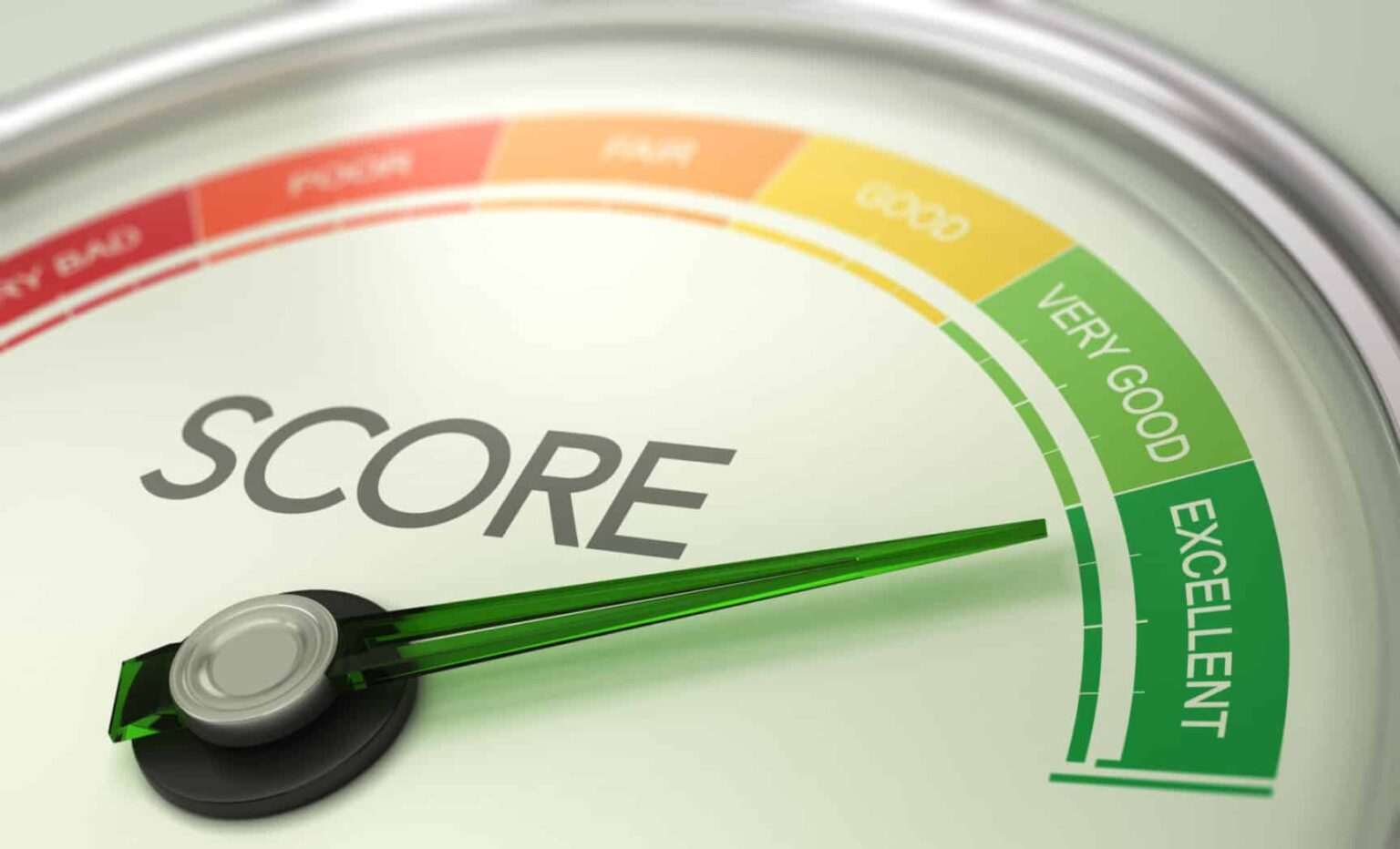
Think of it like a credit score
You’re familiar with a credit score, which takes into account several factors of varying importance — such as credit history length, on-time payments and credit utilization — and weighs them all to produce a single number that represents the creditworthiness of an individual. As the years go by, and you pay off your credit on time and increase the length of your credit history, your credit score will improve.
Consider the Applause Quality Score as the software quality equivalent of a credit score.
Using sophisticated data science models, the AQS takes into account your testing results (such as number of issues collected, severity and value of the issue, and scope of testing, to name a few factors) and weighs them against Applause’s decade-plus testing history to produce a single number that indicates the strength of your software build.
The best part about the AQS comes when you test the same product release multiple times as you make changes to your codebase. This enables you to chart progress and notice trends as you make continuous improvements to your release.
With the AQS, you can chart progress and notice trends as you make continuous improvements to your release.
If your first build has a low score and the second build has a medium score, you can tangibly see you’re making improvements in the build — and that there remains room to grow. Ultimately, you can decide if the software is good enough to release now, or if you should make further changes.
While the AQS is not intended as a golden hammer to make all your release decisions, it gives you a tool to become more data-driven in your release strategy. The AQS is truly a first-of-its-kind for developers and QA professionals. You can rely less on gut instincts, and make more confident and informed decisions when releasing your software.
Whitepapers
Introducing the Applause Quality Score™
Applause Quality Score ratings enable users to assess the effectiveness and thoroughness of their structured and exploratory tests build-over-build to make informed release decisions.

 3 min
3 min