
Second Brain: The Difference Between My Digital And Physical Self
My digital self is a genius.
There is almost no question that he can’t find the answer to. There is no topic that he can’t discuss when asked. The digital version of me is always here, politically active, makes donations to charity, funds startup projects and never forgets a birthday.
The physical version of me is … not quite the same guy. Almost the same, but just a little different. For a start, he can’t remember birthdays. And he doesn’t know the answer to everything.
In the last few years, the concept of a digital self versus the actual person has become more ingrained in our day-to-day lives. We all have a digital footprint that provides information to interested parties or creates a life stream that defines us in a virtual sense. For the most part, that is a good thing.
Take Facebook , for example. Our activity allows the social network to tailor what it thinks we want to see or know. Nine times out of 10 that is not a problem. Facebook makes us feel like thoughtful people … irrespective of how we behave in the real world.
According to Mark Rolston, founder and chief creative officer of Texas-based product design company argodesign, technology has changed humanity to such a level that it can be difficult to separate the digital version from the physical entity. And the key to this evolution is data.
“We know we have our immutable self—a fleshy, defined self—and then we created digital versions of ourselves,” said Rolston, in a recent interview with Applause in San Francisco. “In some ways, it is a highly evolved form of the writer self that we created when we wrote letters back and forth … we didn’t move the ball profoundly forward, we just added a hell of lot more data.”
Understanding that the digital version of a person does not always line up with a physical one is part and parcel of modern life.
So much of our lives is conducted online—either via desktop or smartphone—that it is easy for the digital me to seamlessly sail through life without too much effort. In the digital world, I have my own identity that interacts with other digital entities on a regular basis.
A Digital Self Is Just An Enhanced Human
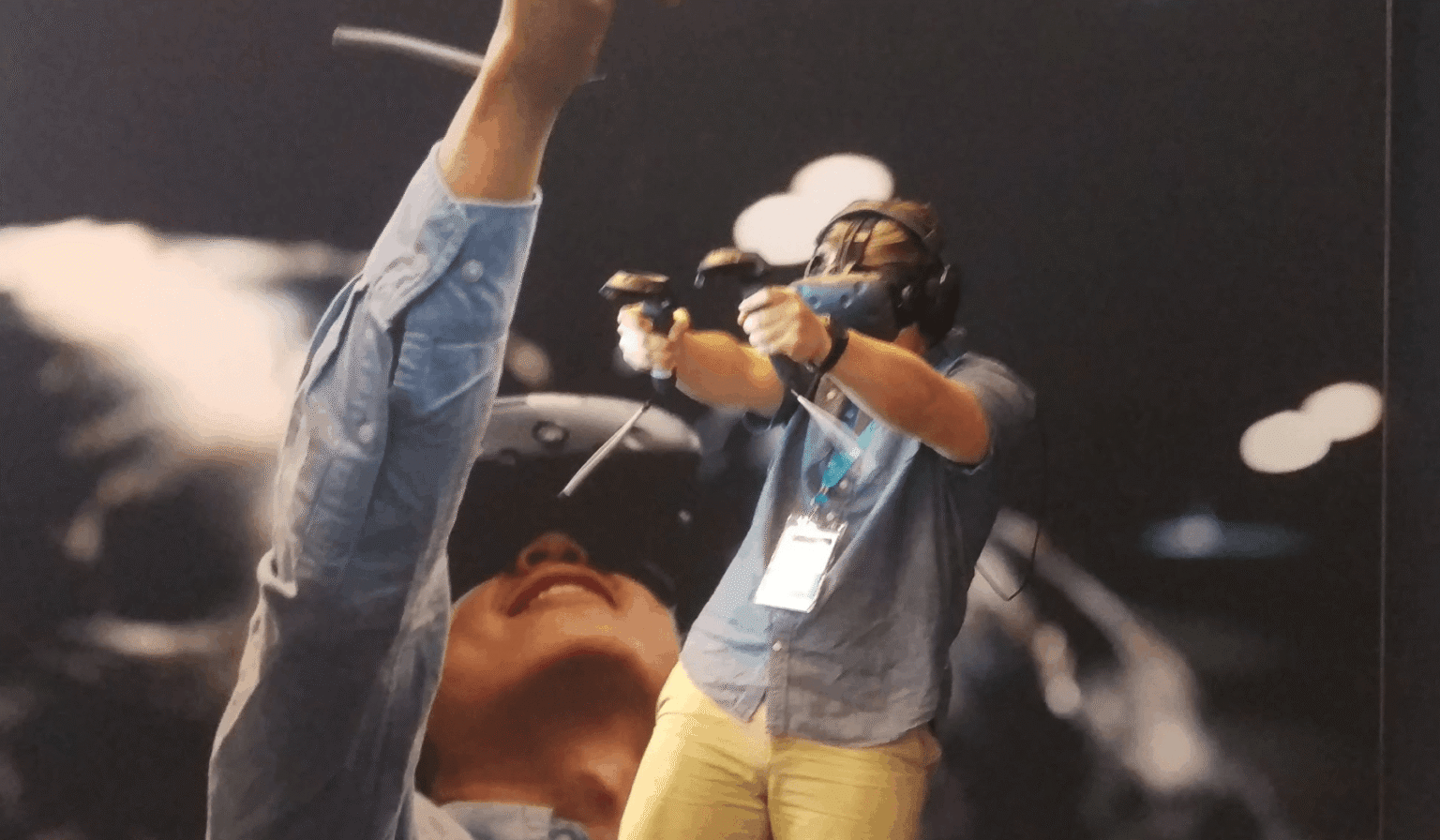
Think about video games, especially massive online multiplayer experiences that require a gamer to create an alternative version—an avatar.
Unless you are supremely confident in your own appearance, it is a fair bet to assume that the avatar will bear little resemblance to the person that created the avatar. The digital version is often what we want to be, not who we actually are.
“It is expressed in the idea that this is an entity or idea of you that I am encountering,” Rolston said. “A feeling that I know you or had a familiar interaction with you … and that is a modern phenomenon … the digital version of ourselves is good enough, but artificial intelligence helped fill in the gap in the sense that we are looking at a version of ourselves that can learn from and act in our stead.”

Ebooks
Building a Global AI/ML Data Collection & Quality Program
AI development requires a dedicated program. In this paper, we explore where current approaches to AI development are going wrong and show why a programmatic approach is the answer.
Artificial intelligence can observe how we move, the things we tend to say and the decisions we make, Rolston said. Once AI has that information, it can make decisions based on the data it has collected.
If that sounds somewhat sinister, then we only have to think about the steps that we have taken to improve our core humanity. Human beings are frail creatures, susceptible to sickness and all manner of physical problems. All technology has done is augment our humanity in the same way that we once used basic tools to start a fire or build shelter.
Rolston cites a similarity between the hammer and the smartphone. Both of these are essentially tools that we use to achieve a task. What is important is that the computing ability in the smartphone bestows upon the person using it a level of super powers and knowledge that you can’t get from a hammer … although it is possible (but not recommended) to bang in nails with a smartphone.
“You could argue that the phone has got to the point where it is really you plus the phone,” he said. “If I want to reach you or if you want to know something or access certain data about yourself … all you need to do is reach into your second brain.”
The Physical Entity Needs Digital Tools
The concept of a second brain is a good way to understand why the digital me is important. The data that I generate every day over a variety of channels defines what I am, especially when it comes to finding out the information that I need.
At the same time, the physical me is reliant on digital entities to provide the experiences that make my life easier. Every time I think of a question, I can find out the answer in nano-seconds. If I want to buy a physical product, I am more likely to look for it online first. And while I don’t think that my core humanity has changed, the digital me is (in theory) available on a 24-hour basis.
According to Rolston, this is just the next stage of human evolution. We have not become the Borg from Star Trek, but our willingness to embrace digital tools that offer a seamless experience is just the start.
“It is inevitable. Humanity has shown no willingness to not do anything unless there is a perceived benefit or advantage,” said Rolston. “Even if there is a cost to that benefit that is more than the advantage or is socially competitive, then we will do it … I see no line.”

 6 min
6 min