
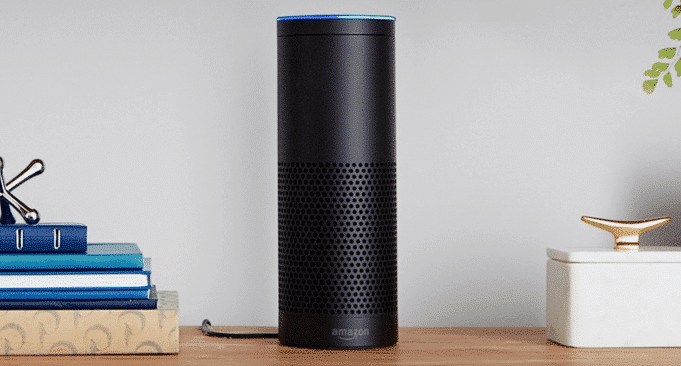
Voice: Building is Easy, Testing is Hard
With Alexa Skill Blueprints and increased documentation for developers, it’s never been easier to build a voice app. You can even build a skill in five minutes. Testing that app, however, is a different story.
Testing remains one of the major bottlenecks in creating successful voice apps. It’s a big reason there are more than 900 Alexa skills averaging a one-star rating.
By 2022, 55% of U.S. households will have at least one smart speaker. This means voice apps will become table stakes sooner rather than later, so brands have limited time to improve the quality and user experience (and ratings) of their voice experiences.
There are several challenges facing brands as they look to improve the quality and user experience of their voice apps, most of which are self-inflicted, including:
- Experiences lack empathy and immersion
- Consumers struggle to find apps they want
- Specific phrases used to interact with smart speakers are applied incorrectly
- Voice apps are not providing long-term value
With these user experience missteps, it’s no wonder 94% of users aren’t active on a voice app the second week after downloading it.
How can brands flip the script and create valuable voice experiences that customers will love?
On July 18th, Applause’s Emerson Sklar and Bespoken CEO John Kelvie will host a webinar about how to build five-star voice experiences. The webinar will provide background on the four voice KPIs you should be aligning your voice strategy to, the common challenges of testing voice apps, and the keys to overcoming these challenges using automation and crowdtesting.
Applause and Bespoken are two of only four trusted testing vendors listed on Amazon Alexa’s developer page.
Ebooks
Putting Quality First in the Age of Voice Commerce
Few retailers have succeeded with their voice commerce initiatives thus far. See how a commitment to quality can reverse this trend.

 2 min
2 min